
Protected Farming.
Proven Results.
Lower Entry Cost.
Net house structures that shield your crops from heat stress, pest pressure and unpredictable weather without the cost of full climate control.
Physical barrier
to insect vectors
Protection Is Not a Luxury in Nigerian Agriculture. It Is the Business Model.
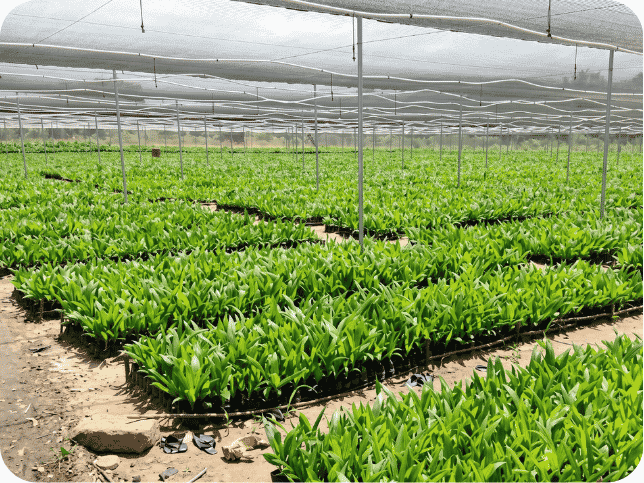
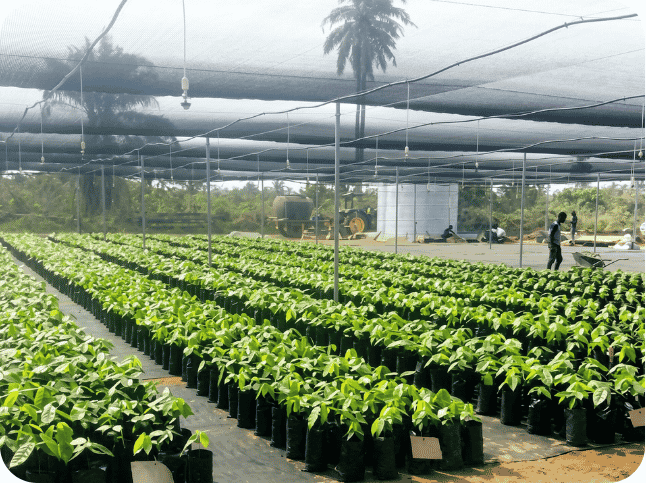
A net house is not a greenhouse. It does not control temperature or manage humidity with precision systems. What it does is simpler and for most Nigerian commercial operations, it is exactly enough. Shade netting reduces heat stress on crops during peak temperature hours. Insect mesh blocks the pest vectors that cause the most consistent damage. Wind barriers eliminate the physical stress that bruises produce before it ever reaches a buyer. The structure is open, breathable, and built for the Nigerian climate.
The economics follow the logic. A net house costs a fraction of a climate-controlled greenhouse and can be operational in weeks. For a commercial farm looking to protect yield consistency, qualify for institutional supply contracts, or take the first serious step into protected cultivation, it is the most deployable entry point available. Afri-Fruits has installed more net houses across Nigeria than any other system in our portfolio. Not because it is the easiest sell. Because for most operations at most scales, it is the honest answer.
A net house does not control every variable. It controls the ones that cost you the most.
Simple Engineering. Serious Results.
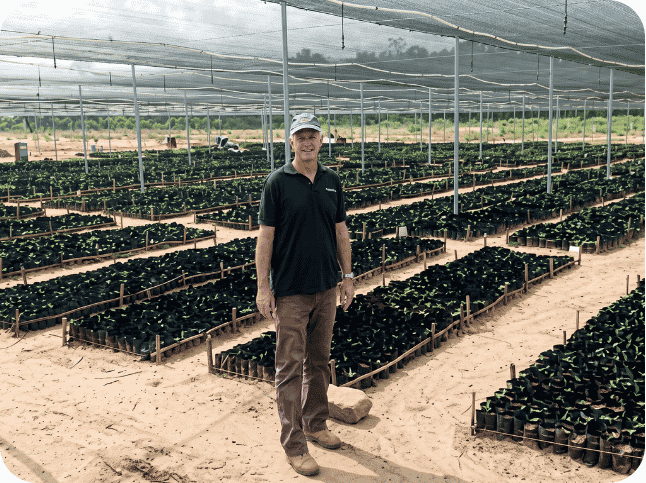
A net house is a steel or aluminium-framed structure covered with shade netting and insect screening. It does three things:
Reduces Heat
Stress
Shade netting filters direct sunlight, reducing canopy temperature by up to 10°C. Crops grow faster, with less water loss and less heat-related damage.
Blocks Pest
Entry
Insect-proof mesh screens prevent whitefly, aphids and other vectors from reaching your crops. Less pest pressure means less pesticide spend and cleaner produce.
Controls Wind & Rain
The structure reduces physical crop damage from wind and heavy rainfall, protecting yield consistency without requiring full climate management.
Not Sure Which One You Need?
| Feature Summary | Net House | Greenhouse |
|---|---|---|
| Climate Control | Partial — shade, pest, wind | Full — temperature, humidity, ventilation |
| Entry Cost | Lower | Higher |
| Best For | Vegetables, nursery crops, seedlings | High-value crops, year-round precision production |
| Installation Time | Faster | Longer |
| Ideal Buyer | First-time protected cultivation, universities, government programmes | Commercial farms, investors, export-grade production |
Still unsure? Book a free consultation, we will assess your site and
recommend the right system for your production goals and budget.
Frequently Asked Questions
A net house typically lasts 10–15 years, with the steel framework lasting 20 years or more. The shade net covering usually needs replacement every 5–8 years. Built with UV-stabilised materials suited for Nigeria’s varied climate, it is a long-term asset worth protecting.
Net houses support a wide range of crops; tomatoes, peppers, cucumber, lettuce, strawberries, herbs, ornamental flowers, and nursery seedlings. We help you select the right net type and shade percentage to match your specific crop and growing region.
Yes. We design your initial installation with future upgrades in mind so your site layout, irrigation, and foundation work already account for the transition. Many clients start with a net house, generate early returns, and scale up to a full greenhouse when they are ready.
A standard net house takes 5–14 days to install, depending on size and site conditions. Smaller units can be completed in under a week. We conduct a site assessment beforehand to ensure groundwork is ready and the process runs without delays.
Yes. We provide operator training, scheduled maintenance visits, agronomic guidance, and rapid response support nationwide. We also handle net and component replacement when needed. With 35 years on Nigerian soil, we stay involved long after installation is complete.